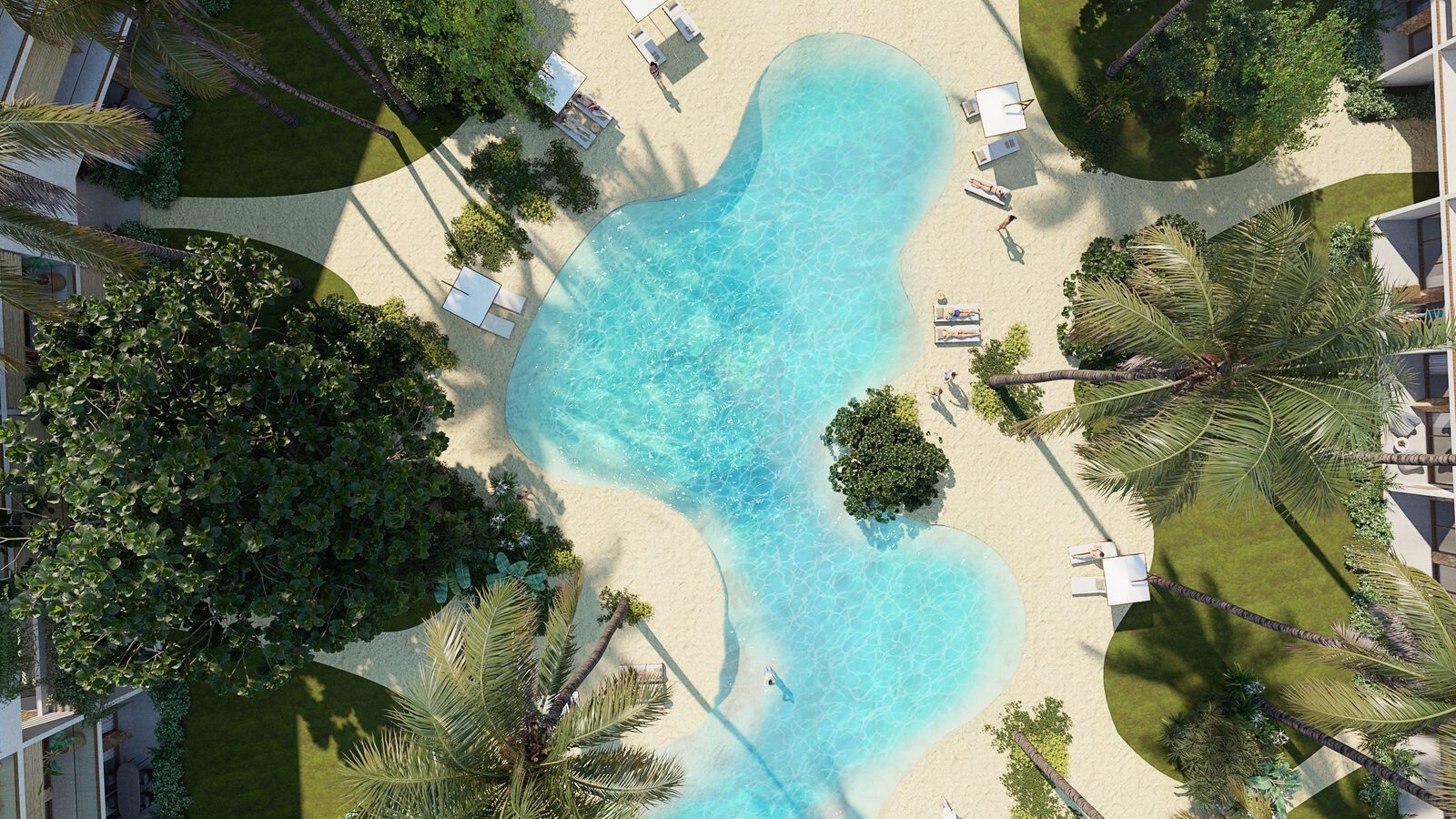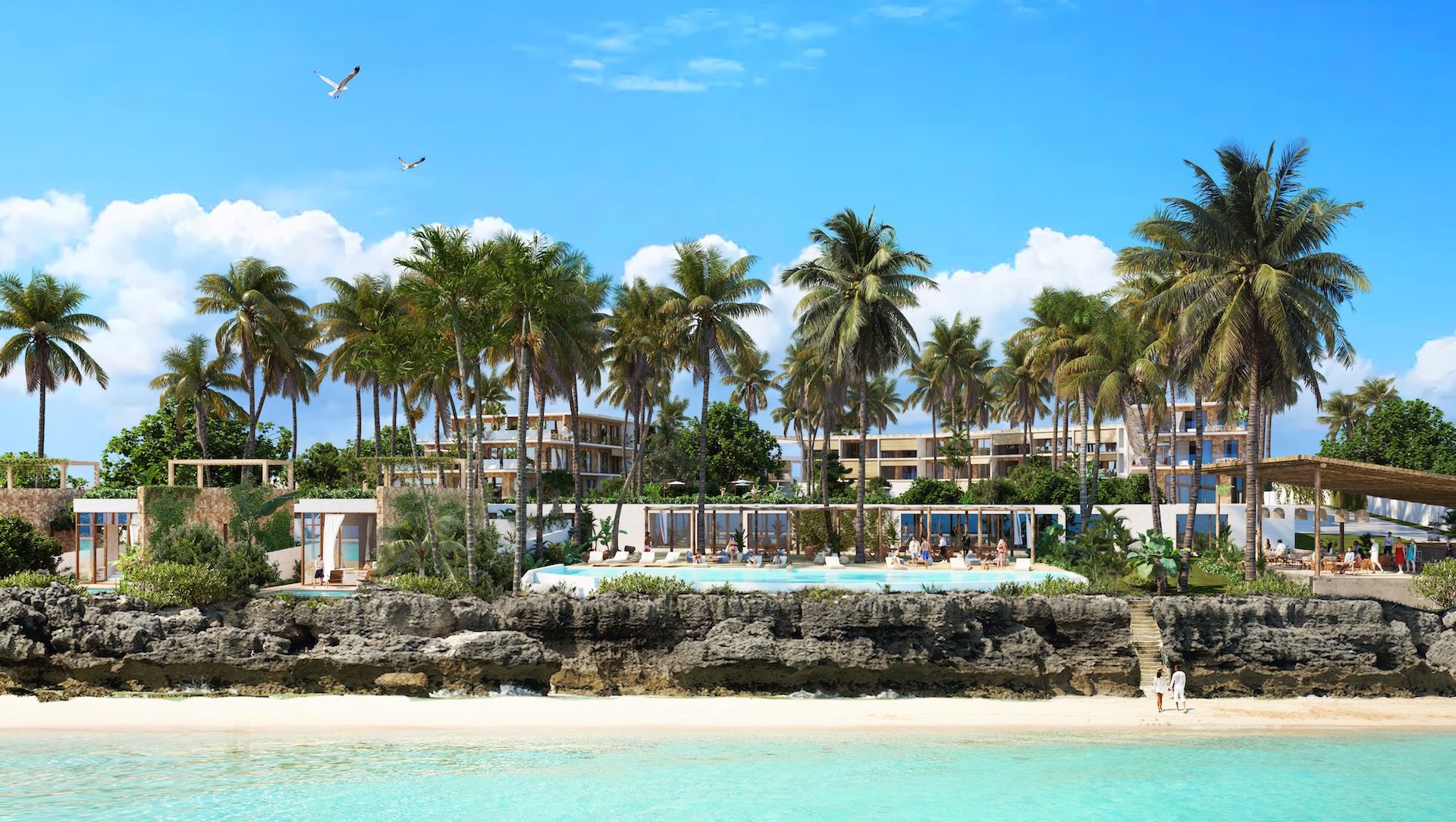
Ownership that works when you are away.
The third space in beachside ownership sits between a full-time residence, a holiday home left idle and a hotel room you never own.
It is title, use and professional hospitality operations in one structure — designed for owners who want a place by the beach without becoming their own operator, and without confusing lifestyle with loose promises.
You hold title. You reserve stays. The asset enters a professional operating structure. The income is reported plainly, with the assumptions shown where numbers are used.
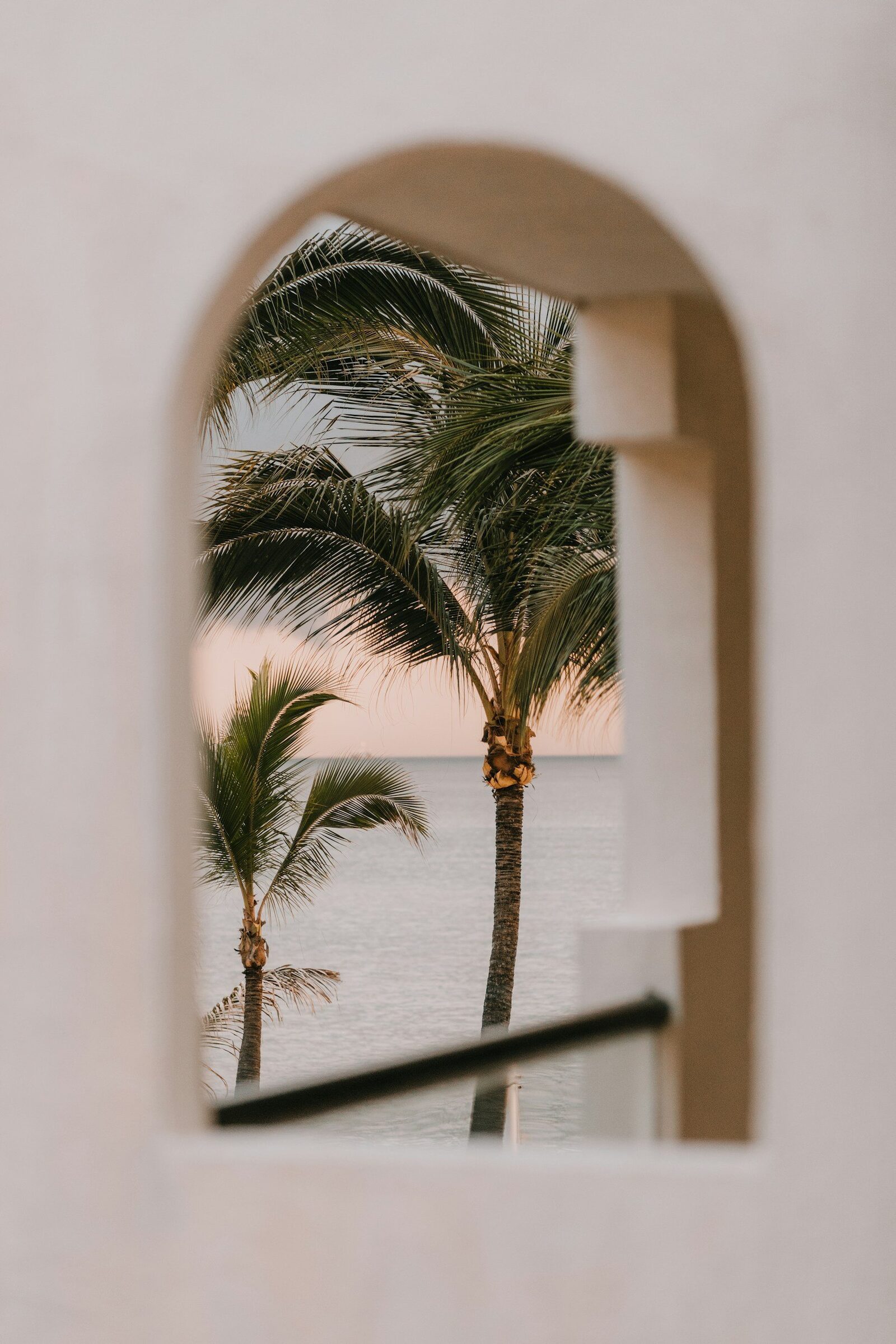
Somewhere to stay, not somewhere to live.
It is a category that did not fit the old labels.
A conventional second home is built around occupation. A holiday let is built around yield. A branded residence is often built around the operator’s flag. The third space sits between them: privately owned beachside residences, designed from the first drawing to be used by you and to work when you are away.
The point is to own something that can carry both sides of the brief: proper personal use, and a disciplined rental operation when you are elsewhere.
Tropical Residences is where this category comes to market.

Hold title, reserve stays, and share the asset.
Three things hold together under a single model.
Hold title.
Leasehold beachside ownership, registered in your name, with the legal structure made clear before the sale.
Reserve stays.
Personal access designed for proper time in place — long enough to settle in, work, host and return without treating the residence as a hotel room.
This is use with rhythm, not a room-night allocation dressed up as ownership.
Share the asset.
When you are not in residence, the property is run as part of a professionally managed rental operation.
The asset works because it was designed to work: durable materials, serviceable layouts, hospitality-grade operations and reporting you can read.
That is the discipline behind the Third Space: ownership, use and income held in one structure, with each part clear enough to stand on its own.
Why it is different.
Most beachside property asks the buyer to choose between control and performance.
A private villa gives you control, then leaves you with housekeeping, maintenance, guests, pricing and repairs from a distance. A hotel gives you professional operations, then keeps the asset and most of the value. A timeshare gives access without ownership. A hotel-condo often gives title, but under an operator’s rules.
The third space is built to hold the useful parts together: title, personal use, professional operations and transparent participation in tourism income.
The difference is the operating model. The residence is not treated as a private home with rental added later; it is conceived from the beginning as an asset that has to serve owners, guests and long-term performance without losing its character.
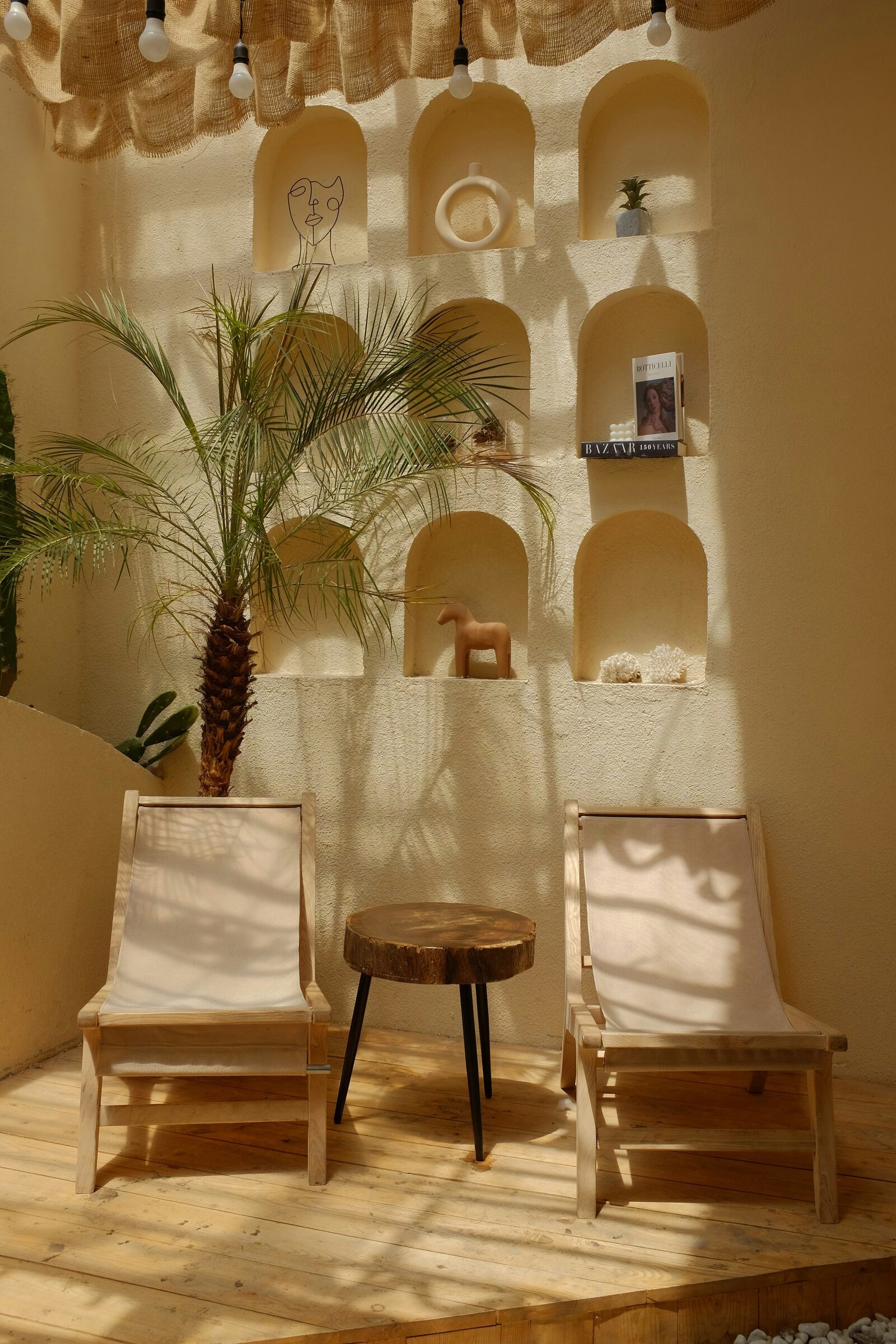
Built for tourism participation.
These are beach assets, not idle homes with a rental option added later.
A residence expected to earn must be drawn, specified and operated differently from a private retreat. It needs materials that can handle salt air, layouts that work for guests and owners, systems that can be maintained, and an operating structure that does not fall apart when the owner leaves the island.
This is why the work begins before the sale: in site selection, design, governance, operating assumptions and the management structure behind the asset.
The design has to know what the income model needs. The income model has to respect the way people actually stay. The operating structure has to make both credible.
Returns are scenario-modelled, not promised. Pricing and yield belong on the Residences and Investment pages, where they can be shown with their working.

Clear roles, from purchase to ownership.
Three parties stand behind the residence, each with one job.
Each residence is designed to perform.
We sell developments we know well and have advised on. The asset, the commercial logic, the design discipline and the operating readiness are checked before a residence reaches the buyer.
A dedicated operating company runs the asset.
It handles the day-to-day work: housekeeping, maintenance, guest services, rental operations and asset-level delivery.
Tropical Residences selects and sells the residence.
It is who you deal with through the purchase.
The operator runs the asset day to day, and reports to its owners.
The separation is deliberate. The operator should not be vague. The owner should not have to work out who is accountable after completion.
One standard, carried through separate accountable roles.
Smart investments; lifestyle dividends.
The lifestyle is real because the ownership is real. The return holds because the operating structure is real, and the design has to perform for more than one type of stay, more than one season, and more than one owner.
This is where the category earns its name. It gives the owner somewhere meaningful to return to, without pretending that enjoyment and investment are the same thing. They are different benefits, held in one structure.
That is the point: somewhere to stay, not somewhere to live.
Somewhere that can still work when you are not there.
The residences.
The idea becomes real in a specific building — one you can visit, price, own and hold to its numbers. The Residences page shows what is selling now. The Investment page shows how the return is put together. Tell us what you would want a residence to do for you, and we will answer for a real one.
If the category explains the thinking, the residence has to prove it: location, title, design, operator, use rights, reporting and the numbers behind the return.
sales@tropicalresidences.africa · Stone Town, Zanzibar